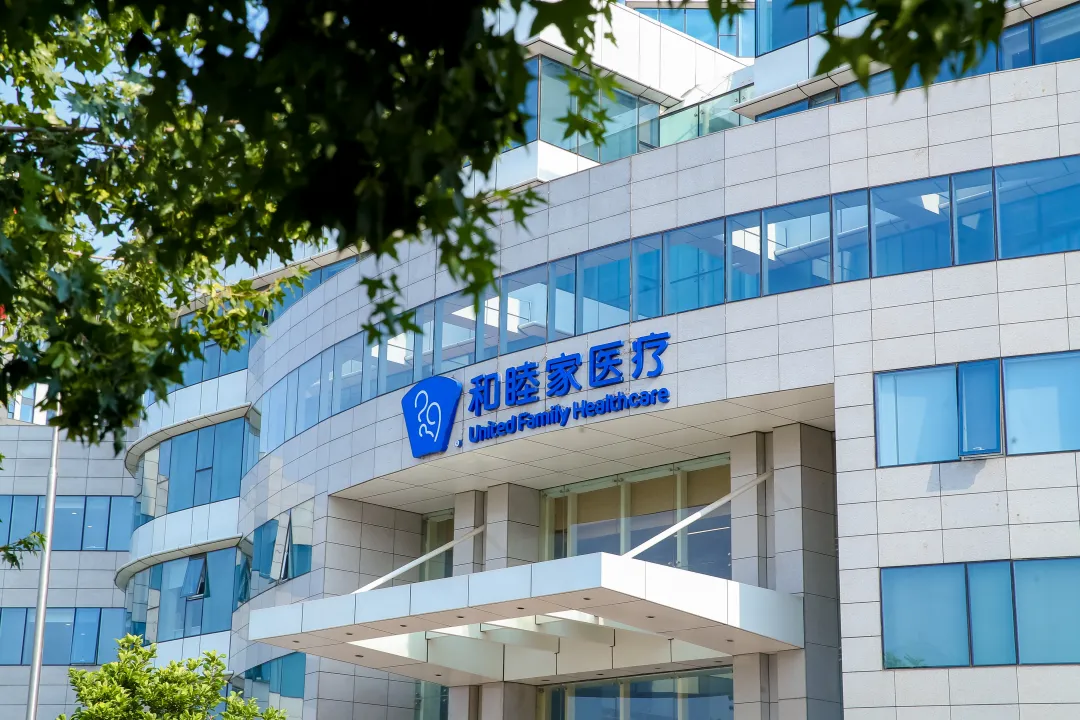
In October 2025, Beijing United Family Hospital’s Dongcheng campus became a designated national basic medical insurance (医保) institution — a notable step for a hospital group that, for nearly three decades, has been best known for commercial insurance and self-pay care. The move is a deliberate strategy to lower the payment barrier to high-standard, internationally benchmarked medicine rather than to chase volume.
A hospital in the heart of Beijing
The Dongcheng campus is a secondary general hospital with 228 beds, set in the historic hutongs of central Beijing — roughly 800 metres from Peking Union Medical College Hospital. After a major renovation in 2024, it focuses on high-barrier specialties: oncology, complex surgery, integrated traditional Chinese and Western medicine, and full-lifecycle health management.
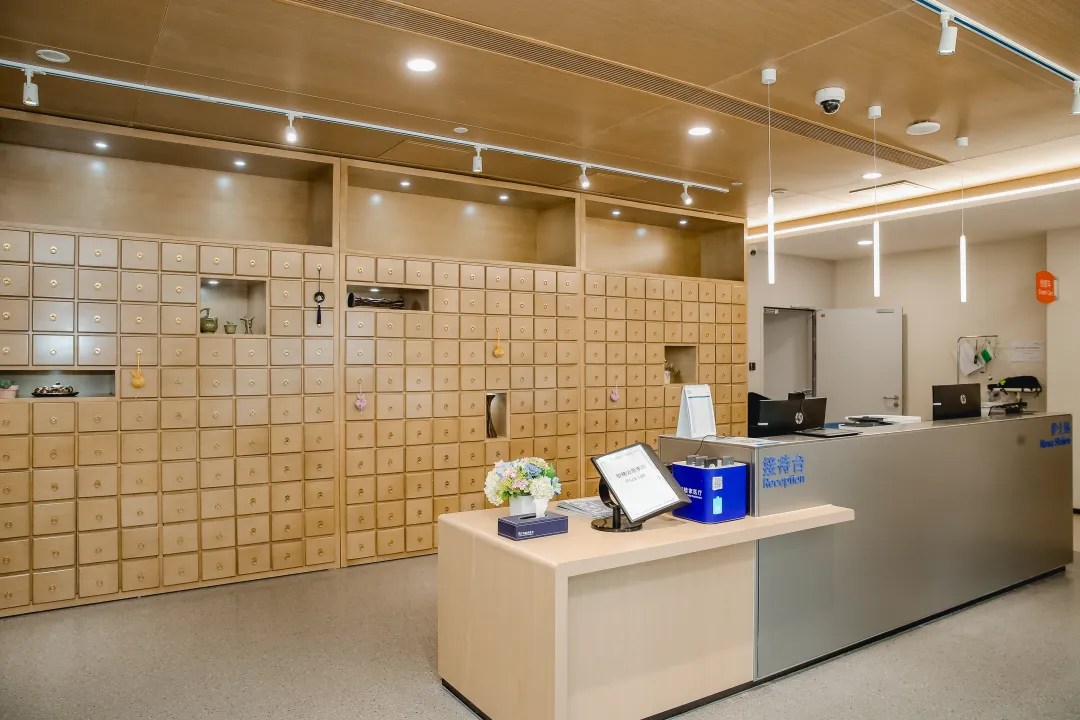
Two tracks, one standard
The campus operates a dual-track payment model. Insured patients settle in real time at the secondary hospital rate, while value-added services such as single-room beds and imported consumables remain self-pay or covered by commercial insurance. In oncology, routine chemotherapy is included under the basic insurance scheme, and UFH follows evidence-based prescribing — prioritising originator drugs and, through its regulated channel, offering international anti-cancer therapies not yet approved on the mainland.
A loop that strengthens clinical quality
After the insurance integration, the campus’s clinical complexity rose sharply. In the first half of 2026, grade-IV procedures reached 16.8%, day surgery climbed to 53.2%, and average length of stay fell to 3.31 days. Higher volumes and a stronger multidisciplinary team are attracting more specialists — in April 2025, Dr. Su Rong Hua, formerly of Peking Union Medical College Hospital general surgery, joined as Deputy Director of General Surgery for the Beijing region and Head of General Surgery at Dongcheng.
Robotic surgery at the forefront
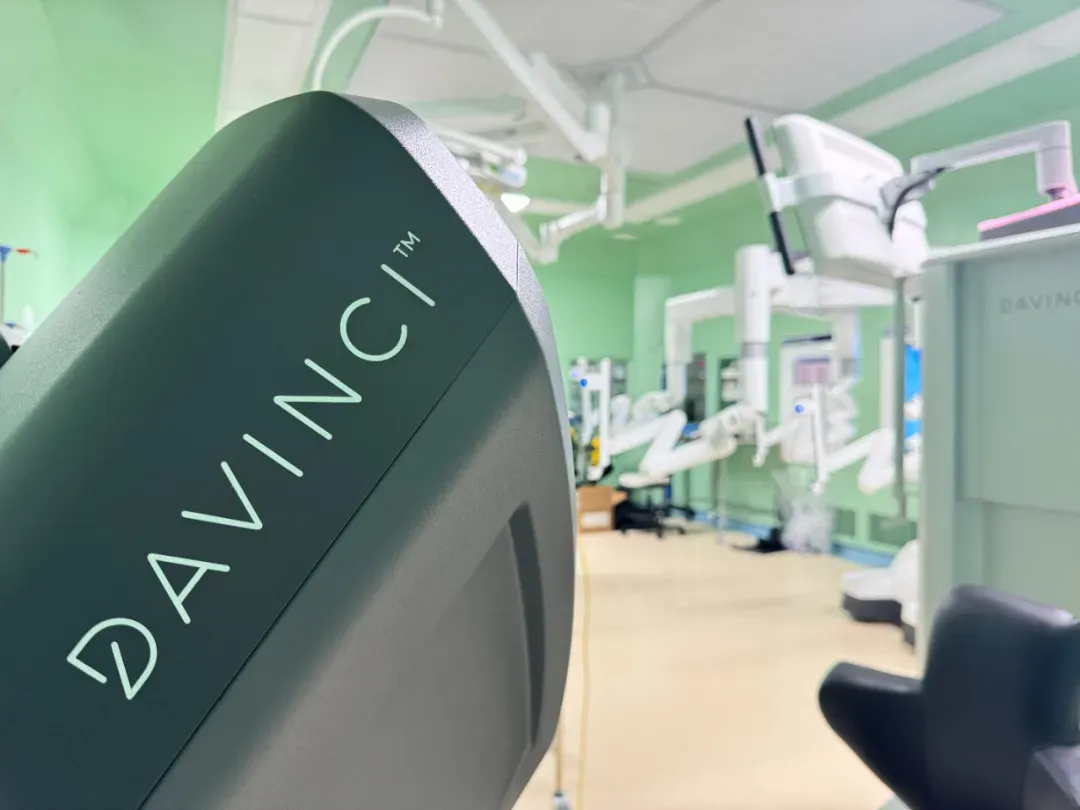
Minimally invasive and robotic surgery is another signature strength. UFH has deployed four surgical robots and, since introducing the da Vinci system in 2015, has completed more than 1,000 robotic procedures across the platform — including the da Vinci Xi now operating at the Dongcheng campus.
Integrated TCM and Western medicine
One of the campus’s distinctive features is its embedded model of Chinese medicine — not a separate TCM department, but a collaborative platform woven into every clinical specialty. A dedicated “Western doctors learning TCM” training pathway helps physicians combine evidence-based standards with constitutional assessment, and TCM “preventative care” is especially popular with international patients exploring meridian screening and acupuncture alongside precise endoscopic care. It is complemented by the campus’s designation as an age-friendly medical institution.
Why this matters for international patients
For patients paying through commercial insurance or self-pay, the Dongcheng campus offers the same internationally benchmarked MDT care with more flexibility — and the option to layer value-added services on top of a strong clinical foundation. It also demonstrates UFH’s commitment to aligning with China’s “national standards” while retaining its world-class credentials. Explore the Beijing network.
One Beijing City, One United Family — a single network of hospitals and clinics in China’s capital.
Questions about care in Beijing or the wider UFH network? Speak with our international team.