News › Beijing
First CRT-D Implant at Beijing United Family Heart Center: Solving Three Risks in Severe Heart Failure
Published 19 Oct 2026 · 6-min read · Beijing Network News
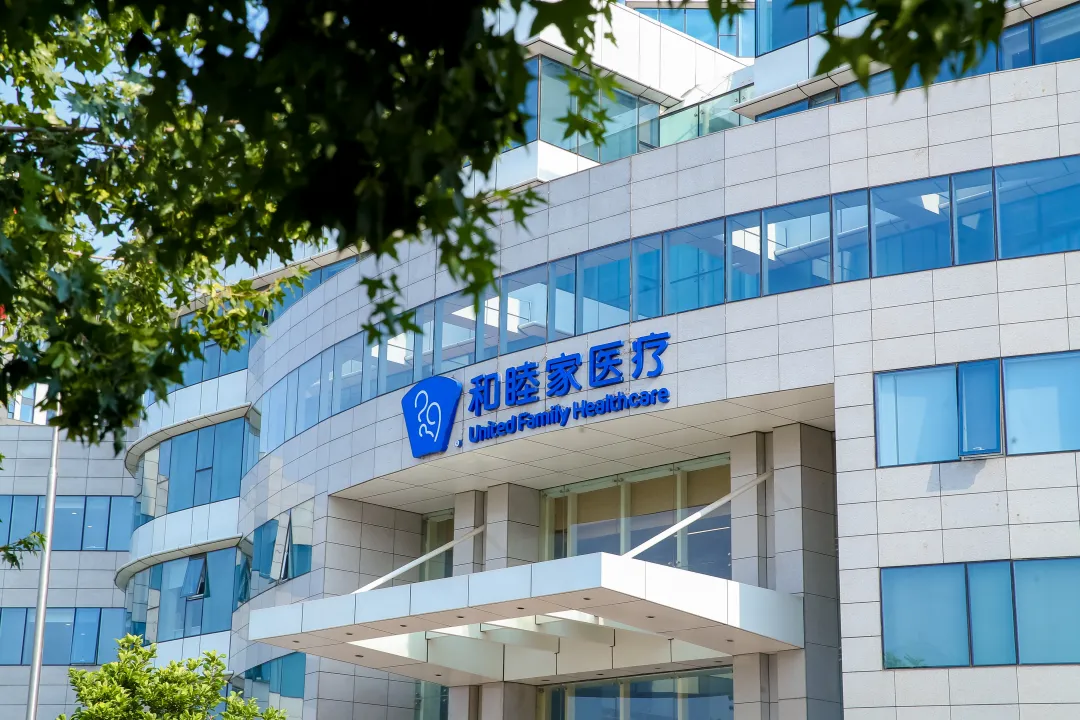
Beijing United Family Hospital’s Heart Center has successfully implanted a cardiac resynchronization therapy defibrillator (CRT-D) in a 56-year-old patient from Indonesia — the first procedure of its kind at the hospital.
From emergency admission and rapid diagnosis to a complex operation completed without complications, the case shows how a coordinated cardiac team, clear diagnostic standards and multidisciplinary support work together when a patient arrives critically ill.
Three problems behind one failing heart
The patient had been working in China for many years. In early October he began to notice chest tightness, breathlessness and a loss of stamina. At first he paid little attention, but the symptoms did not settle.
At a local hospital, testing showed a BNP level of 4,000 — far above the upper limit of normal — indicating that his heart function was already severely impaired and that his life could be at risk. He was transferred urgently to Beijing United Family Hospital.
The Heart Center team responded immediately. Within a short time he completed an electrocardiogram, echocardiography, coronary angiography and a full set of blood tests. As the results came back, the picture turned out to be more serious than expected. His underlying condition was dilated cardiomyopathy, with a markedly enlarged heart, and this had produced three separate problems at once: heart failure, a left ventricular mural thrombus, and complete left bundle branch block.
The echocardiogram showed both the enlargement and the thrombus adherent to the wall of the left ventricle. His pumping function was severely reduced, with an ejection fraction of only 18 per cent, where a normal value is usually above 50 per cent. If the left ventricular thrombus were to dislodge, it could cause a stroke or a pulmonary embolism. With heart failure combined with an ongoing risk of ventricular arrhythmia, he needed a single treatment that could address all three threats.
One device, three layers of protection
After full case discussion and assessment, the team agreed that a CRT-D best matched the patient’s current needs. The device addresses his condition on three fronts at once:
- Biventricular resynchronization pacing restores a more coordinated sequence of ventricular contraction, strengthening the heart’s pumping function and improving heart failure.
- If ventricular fibrillation or another dangerous arrhythmia occurs, the device delivers an automatic shock to restore a normal rhythm.
- If the heart is at risk of stopping, it can provide pacing at any time, acting as a backup power supply for the heart.
The procedure was performed under local anaesthesia combined with sedation and analgesia, and the patient remained awake and cooperative throughout. The team punctured the left axillary vein to establish access, placed three cardiac leads and tested each one to confirm that pacing function was correct. They then created the device pocket, connected the leads to the generator and closed the skin. The workflow is technically demanding and requires a high degree of precision.
Success depended on close collaboration across departments. Anaesthesia provided sedation and analgesia to keep the procedure comfortable and stable, the catheterization laboratory coordinated equipment and workflow so that the intervention ran without interruption, and the ultrasound department supplied high-quality imaging that underpinned both the diagnosis and the operative plan.
With the Heart Center team and the supporting departments working together, the implant was completed successfully and all lead parameters met expectations. The patient is recovering well with stable vital signs and is expected to be discharged in the near future.

Recovery and follow-up take place within the hospital’s cardiac service at the Beijing campus.
What this means for patients with severe heart failure
The first CRT-D implant adds a further option to the Heart Center’s device-based treatments for cardiac disease. For patients with heart failure and a widened QRS complex or left bundle branch block, cardiac resynchronization can improve symptoms and pumping efficiency; the defibrillator component adds protection against sudden cardiac death. The two functions are combined in a single implanted system, which is why the procedure is described as addressing several risks at once.
Device therapy is not suitable for every patient. The decision depends on ejection fraction, the electrical pattern on the ECG, the underlying cause of the cardiomyopathy, the presence of thrombus and the patient’s overall condition, and it is made by a cardiac team after full assessment.
International patients: what to prepare
Patients travelling to Beijing for cardiac assessment should bring their previous echocardiogram reports and image files, ECG tracings, coronary angiography images if any, the current medication list including anticoagulants, and recent blood test results. Where records are not in English or Chinese, an interpreter can help review them during the first consultation.
For urgent cases, MedTourChina can coordinate with the hospital’s international patient services in advance so that admission, imaging and specialist review are arranged before arrival. Non-urgent assessments can be scheduled as an outpatient visit, with imaging and consultation usually completed within one or two days.
About the physician
Wang Dezhao is Director of Cardiology and Chief Physician at Beijing United Family Hospital. He holds a doctorate in cardiovascular medicine from Capital Medical University, where he studied under the prominent cardiologist Professor Hua Qi. He previously worked in the cardiology departments of Beijing Tiantan Hospital and Beijing Friendship Hospital, and served as associate professor and postgraduate supervisor in the Department of Cardiology at Capital Medical University.
He is experienced in the diagnosis and treatment of hypertension, dyslipidaemia, coronary artery disease, angina, acute myocardial infarction, arrhythmia, congenital heart disease, cardiomyopathy and valvular heart disease, with particular expertise in coronary intervention and in temporary and permanent pacemaker implantation.
Dr. Wang has nearly 20 years of clinical experience. He has led and taken part in national and provincial research programmes, including the National Hypertension Prevention and Control Programme under China’s Twelfth Five-Year Plan, projects funded by the National Natural Science Foundation of China and Beijing science and technology support programmes. He has published more than 70 papers in journals including Scientific Reports and Clinical Interventions in Aging, and serves as an editorial board member and reviewer for several journals.
He is a member of the Youth Committee of the Beijing Society of Cardiology, a council member of the Geriatric Hypertension Branch of the Chinese Medical Doctor Association, an expert member of the Beijing coronary intervention quality control group, and a member of the Beijing Arrhythmia Alliance.
This article is for health education only and does not constitute individualized medical advice. Treatment decisions for heart failure, arrhythmia and device therapy must be made by a qualified cardiology team after reviewing the patient’s own imaging, ECG and clinical findings.
References:
- McDonagh TA, et al. 2021 ESC Guidelines for the diagnosis and treatment of acute and chronic heart failure. European Heart Journal. 2021;42(36):3599-3726.
- Heidenreich PA, et al. 2022 AHA/ACC/HFSA Guideline for the Management of Heart Failure. Circulation. 2022;145(18):e895-e1032.
Source: Beijing United Family Hospital WeChat article, 19 Oct 2026.